Introduction
Holi, famously known as the Festival of Colors, is one of India’s most cherished and exuberant celebrations. In 2026, Holi will once again bring streets, homes, and hearts alive with vibrant hues, joyful laughter, and a deep sense of togetherness. Far beyond the playful throwing of colors, Holi carries profound spiritual, cultural, and social meaning. It symbolizes renewal, unity, forgiveness, and the eternal victory of good over evil.
As the world continues to seek harmony, compassion, and shared human experiences, Holi 2026 stands as a powerful reminder that joy multiplies when shared and differences dissolve when hearts come together.
The Essence and Spirit of Holi
Holi is celebrated on the full moon day (Purnima) of the Hindu month of Phalguna, typically falling in March. This period marks the end of winter and the arrival of spring—a season associated with rebirth, growth, fertility, and hope.
Traditionally, Holi is a festival that encourages people to:
- Let go of anger and resentment
- Forgive past misunderstandings
- Strengthen relationships
- Celebrate equality and inclusiveness
On this day, social hierarchies blur. Age, gender, wealth, and status lose importance as everyone becomes equal under a shared splash of color. Holi embodies the idea that happiness belongs to everyone.
Mythological Origins: Stories That Shaped Holi
The roots of Holi lie deep within Indian mythology, where powerful narratives convey timeless moral lessons.
The Legend of Prahlad and Holika
One of the most significant legends associated with Holi is the story of Prahlad, his father Hiranyakashipu, and his aunt Holika.
Hiranyakashipu, intoxicated by power, demanded that everyone worship him as a god. However, his son Prahlad remained a devoted follower of Lord Vishnu. Furious at his son’s defiance, Hiranyakashipu tried multiple ways to kill him, all of which failed due to divine protection.
As a final attempt, Hiranyakashipu asked his sister Holika—who possessed a boon that made her immune to fire—to sit on a burning pyre with Prahlad. However, the boon worked only when Holika was alone. As the fire raged, Holika was reduced to ashes, while Prahlad emerged unharmed. This event symbolizes the triumph of faith, devotion, and righteousness over arrogance and evil.
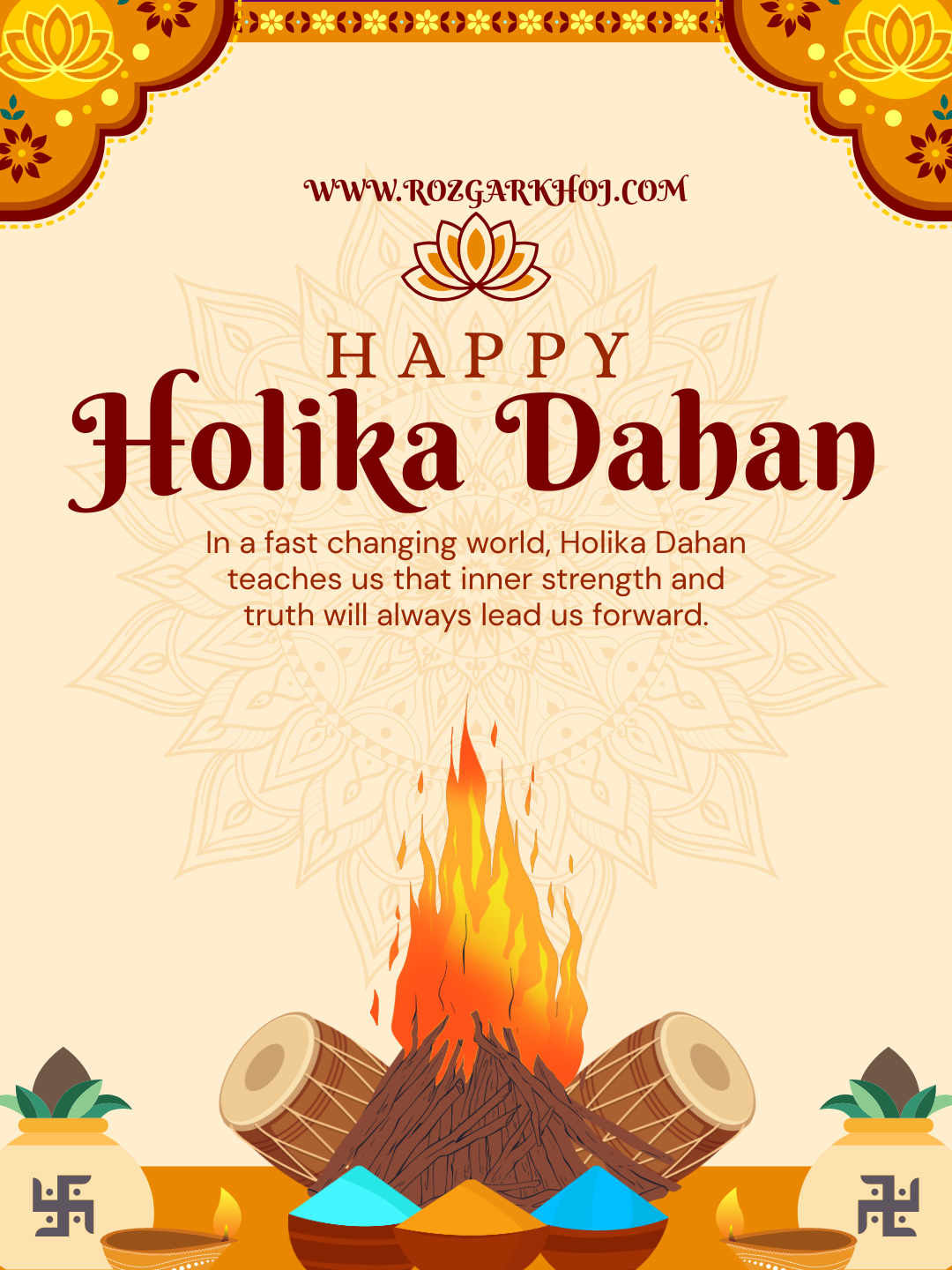
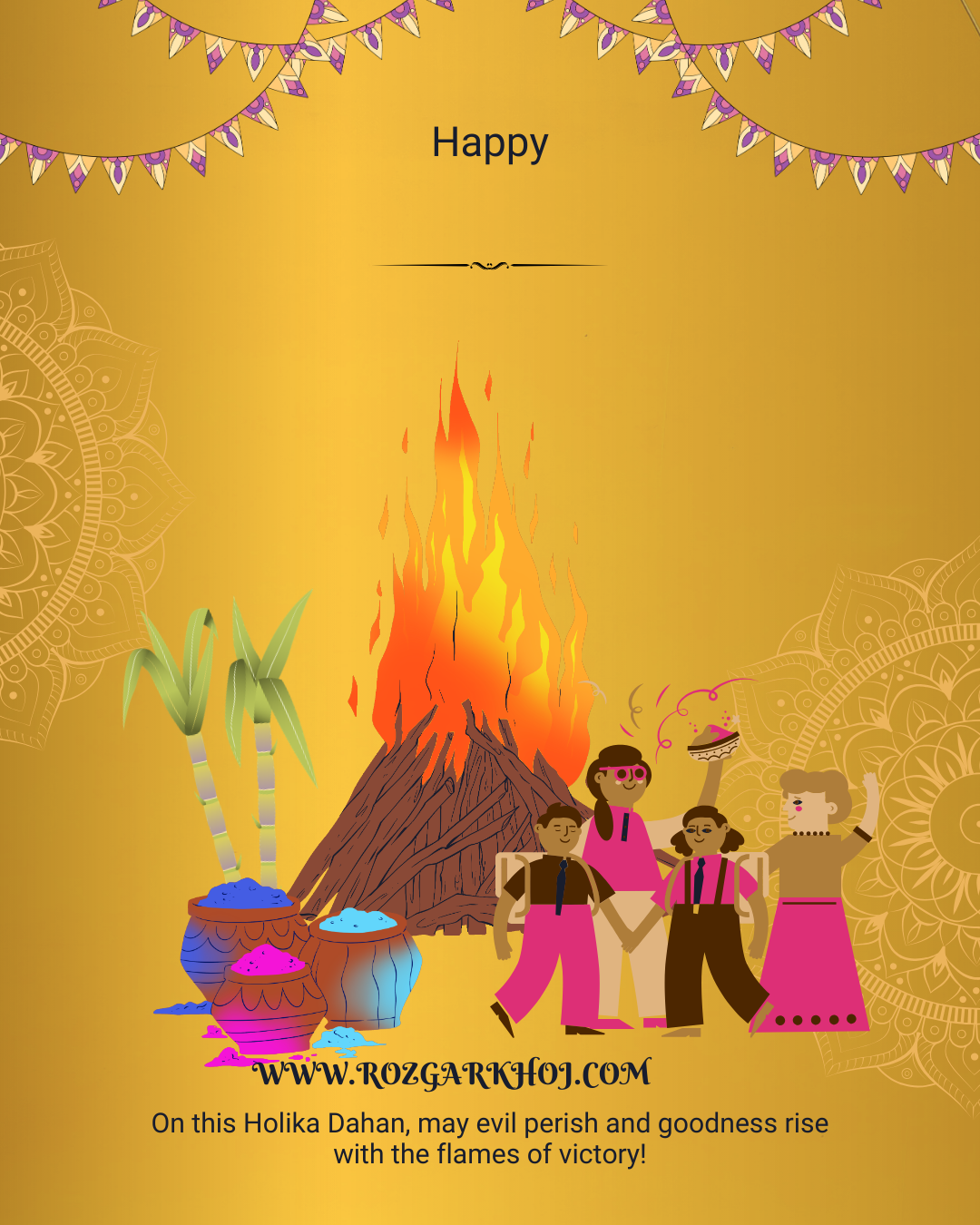
This victory is commemorated as Holika Dahan, observed on the night before Holi, when bonfires are lit to symbolize the burning of negativity and injustice.
The Divine Playfulness of Krishna and Radha
Another beloved association of Holi is with Lord Krishna and Radha. According to legend, Krishna, who had a darker complexion, was worried that Radha would not accept him. His mother lovingly suggested that he apply color to Radha’s face, erasing the difference.
This playful act became a symbol of love, equality, and joyful expression. The tradition of applying colors during Holi is inspired by this divine romance, especially celebrated with grandeur in Mathura, Vrindavan, and Barsana.
Holi 2026: Dates and Rituals
1. Fasting (Vrat)
In 2026, Holi will be celebrated across India and many parts of the world with traditional fervor and modern enthusiasm. The festival typically unfolds over two main days:
Holika Dahan (Chhoti Holi)
Celebrated on the night before Holi, Holika Dahan involves lighting bonfires in neighborhoods and communities. People gather around the fire, offer prayers, and symbolically burn negativity, ego, hatred, and past grievances.
Rangwali Holi (Dhulandi)
The following day is the main celebration—Rangwali Holi—when people apply gulal (colored powder), splash water, dance to festive music, and indulge in delicious food. It is a day of uninhibited joy and togetherness.
Regional Variations of Holi in India
India’s cultural diversity gives Holi unique flavors across regions:
- Mathura & Vrindavan (Uttar Pradesh): Celebrated for over a week with temple rituals, flower Holi, and devotional songs dedicated to Krishna.
- Barsana: Famous for Lathmar Holi, where women playfully chase men with sticks.
- West Bengal: Holi is celebrated as Dol Jatra or Basanta Utsav, emphasizing music, poetry, and dance.
- Maharashtra: Celebrates Rang Panchami with enthusiasm, extending festivities beyond the main day.
- Punjab: Holi coincides with Hola Mohalla, showcasing martial arts, bravery, and Sikh traditions.
Each region adds its own cultural identity while preserving the universal spirit of Holi.
The Language of Colors
Colors are the soul of Holi, each carrying symbolic meaning:
- Red: Love, strength, and fertility
- Yellow: Knowledge, happiness, and purity
- Green: New beginnings, growth, and harmony
- Blue: Calmness, stability, and divinity
In Holi 2026, there is a significant shift toward eco-friendly and herbal colors, made from flowers, turmeric, beetroot, and other natural sources. These colors protect skin, water bodies, and the environment, making celebrations safer and more sustainable.
Importance of Bilva Leaves
Bilva (Bel) leaves hold great significance in Shiva worship. The three leaves joined together represent:
- Creation
- Preservation
- Destruction
Offering Bilva leaves is believed to remove sins and fulfill wishes.
Traditional Holi Delicacies
Food plays a central role in Holi celebrations, bringing families together in the warmth of shared meals. Some iconic Holi treats include:
- Gujiya: Crispy pastries filled with khoya and dry fruits
- Malpua: Soft pancakes soaked in sugar syrup
- Puran Poli: Sweet flatbread enjoyed in western India
- Dahi Bhalla: Lentil dumplings served with yogurt and chutneys
- Thandai: A cooling milk-based drink flavored with saffron, almonds, and spices
These delicacies reflect India’s rich culinary heritage and add sweetness to the festive spirit.
Music, Dance, and Cultural Expression
Holi is incomplete without music and dance. From traditional folk songs and temple bhajans to energetic Bollywood Holi tracks, music energizes the celebration. Dance forms such as dandiya, folk group dances, and spontaneous street performances add rhythm and color to the day.
In 2026, many communities are also organizing cultural Holi events, combining traditional performances with modern creativity to make celebrations inclusive and meaningful.
Holi Beyond Borders
Holi is no longer limited to India. It is celebrated globally by the Indian diaspora and cultural enthusiasts in countries such as the United States, the United Kingdom, Canada, Australia, and Singapore.
Universities, cultural centers, and international organizations host Holi events to promote diversity, inclusion, and cultural exchange. Holi 2026 continues to strengthen India’s soft cultural power across the world.
A Festival of Forgiveness and Renewal
At its heart, Holi teaches us the power of forgiveness. Old conflicts are resolved, broken relationships are mended, and hearts open to love and understanding.
In a world often divided by differences, Holi offers a moment of shared humanity. It reminds us that kindness, laughter, and compassion are universal languages.
Celebrating Holi Responsibly in 2026
As awareness grows, responsible celebration has become an essential part of Holi:
- Choose natural, skin-safe colors
- Conserve water by celebrating dry Holi
- Respect personal boundaries and consent
- Avoid harmful colors around animals
- Clean public spaces after celebrations
Responsible practices ensure that Holi remains joyful without causing harm to people or the environment.
Holi and Social Harmony
Holi has always been a unifying force. Communities come together regardless of caste, creed, or economic background. In schools, offices, NGOs, and neighborhoods, Holi promotes inclusion and collective joy.
In 2026, many organizations are also using Holi as an opportunity to spread messages of peace, equality, environmental awareness, and social responsibility.
Conclusion: Embracing the True Colors of Holi 2026
Holi 2026 is not just a festival—it is a reflection of life itself, filled with different colors, emotions, and experiences. It teaches us to celebrate diversity, forgive mistakes, and cherish human connections.
As colors fill the air and laughter echoes across streets and homes, may Holi 2026 inspire us to live with greater compassion, harmony, and joy. Let us carry the spirit of Holi beyond one day and allow its message of unity and love to guide us throughout the year.