Introduction
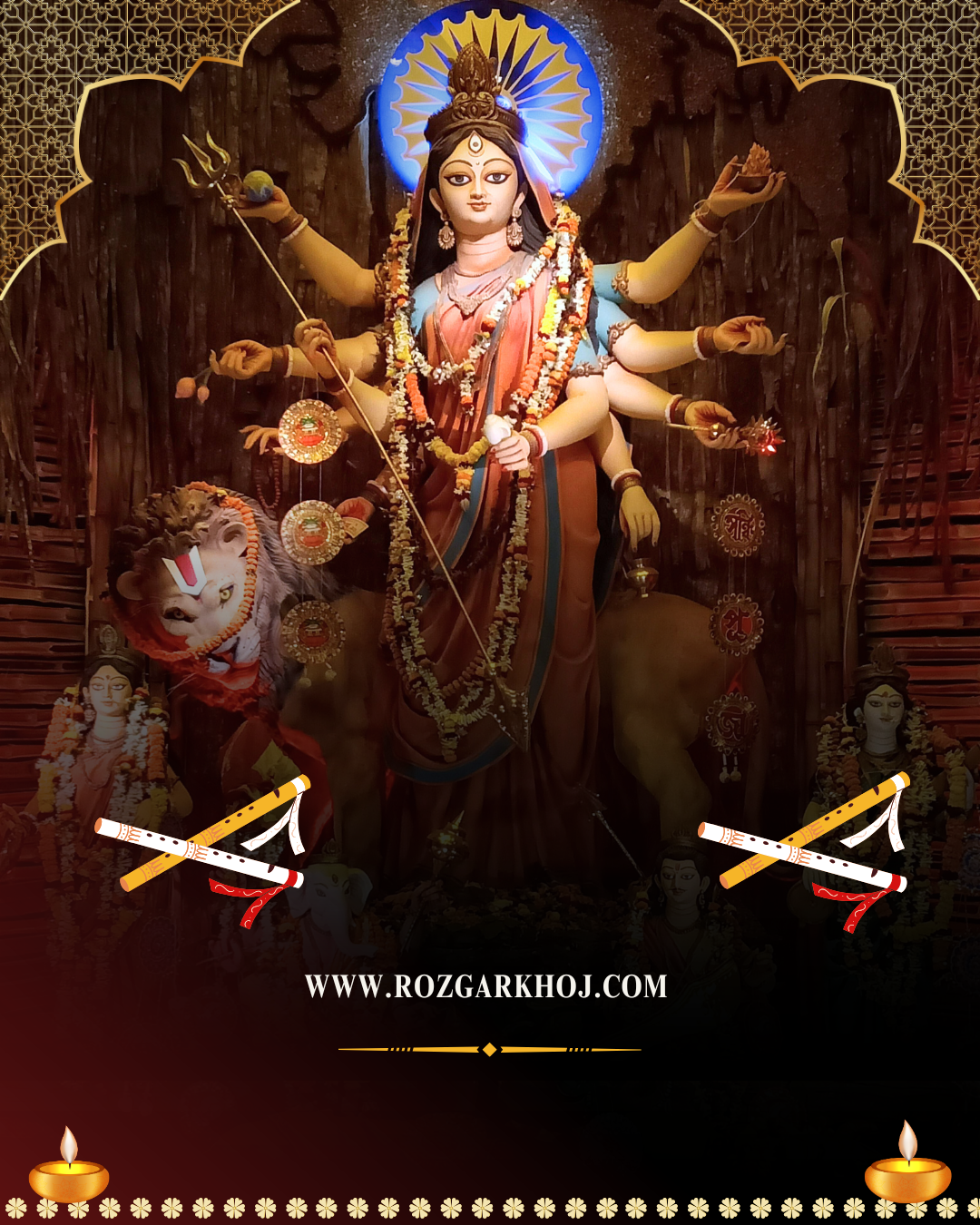
Navratri is one of the most important and widely celebrated Hindu festivals in India. Dedicated to Goddess Durga and her divine feminine energy, this festival represents the victory of good over evil, light over darkness, and faith over fear. The word “Navratri” comes from two Sanskrit words: “Nava,” meaning nine, and “Ratri,” meaning nights.
Sharad Navratri 2026 begins on Sunday, 11 October, and the nine-day celebration continues through Monday, 19 October. Vijayadashami, also known as Dussehra, falls on Tuesday, 20 October 2026. During these auspicious days, devotees worship the nine forms of Goddess Durga, observe fasts, perform special prayers, decorate their homes, and participate in traditional dances and cultural programmes.
Navratri is more than a religious celebration. It brings families and communities together while encouraging devotion, discipline, positivity, and respect for feminine power.
Navratri 2026 Dates and Calendar
Sharad Navratri is celebrated during the Hindu month of Ashwin. Here is the day-wise calendar for 2026:
| Day | Date | Goddess |
|---|---|---|
| Day 1 | 11 October 2026 | Maa Shailputri |
| Day 2 | 12 October 2026 | Maa Brahmacharini |
| Day 3 | 13 October 2026 | Maa Chandraghanta |
| Day 4 | 14 October 2026 | Maa Kushmanda |
| Day 5 | 15 October 2026 | Maa Skandamata |
| Day 6 | 16 October 2026 | Maa Katyayani |
| Day 7 | 17 October 2026 | Maa Kalaratri |
| Day 8 | 18 October 2026 | Maa Mahagauri |
| Day 9 | 19 October 2026 | Maa Siddhidatri |
| Vijayadashami | 20 October 2026 | Victory of good over evil |
These dates follow the commonly observed Sharad Navratri calendar. Specific puja timings and some observances can vary by location and family tradition.
The Religious Significance of Navratri
Navratri celebrates the power of Goddess Durga, who symbolizes courage, protection, compassion, and the destruction of evil. According to Hindu mythology, Goddess Durga defeated the demon Mahishasura after a fierce battle, restoring peace and righteousness.
The festival reminds devotees that evil and injustice cannot prevail forever. It also encourages people to overcome negative qualities such as anger, greed, jealousy, dishonesty, and pride.
Each of the nine forms of Goddess Durga represents different virtues and aspects of life. Worshipping these forms is a way for devotees to seek divine blessings while reflecting on the importance of inner strength, self-control, wisdom, and kindness.
The Nine Forms of Goddess Durga
1. Maa Shailputri – Day 1
Maa Shailputri is worshipped on the first day of Navratri. She is regarded as the daughter of the Himalayas and symbolizes purity, strength, and a strong connection with nature. Devotees begin the festival by performing Ghatasthapana or Kalash Sthapana, according to their traditions.
2. Maa Brahmacharini – Day 2
The second day is dedicated to Maa Brahmacharini, who represents devotion, patience, knowledge, and determination. Her form inspires devotees to remain committed to their goals and face difficulties with courage and self-discipline.
3. Maa Chandraghanta – Day 3
Maa Chandraghanta symbolizes bravery, peace, and protection. Her name comes from the crescent-shaped bell associated with her forehead. Devotees pray to her for courage, confidence, and the strength to overcome obstacles.
4. Maa Kushmanda – Day 4
Maa Kushmanda is associated with the creation of the universe and the energy that sustains life. She represents vitality, creativity, and positive energy. Her worship reminds devotees to approach life with hope and enthusiasm.
5. Maa Skandamata – Day 5
Maa Skandamata is the mother of Lord Skanda, also known as Kartikeya. She symbolizes motherhood, compassion, love, and protection. Devotees seek her blessings for family happiness, peace, and well-being.
6. Maa Katyayani – Day 6
Maa Katyayani represents courage, strength, and the power to fight injustice. She is worshipped by devotees seeking confidence and determination. Her form encourages people to stand up for what is right and act with integrity.
7. Maa Kalaratri – Day 7
Maa Kalaratri is one of the most powerful forms of Goddess Durga. Although her appearance is fierce, she is worshipped as a protector who destroys negativity and fear. She symbolizes fearlessness and the triumph of divine power over darkness.
8. Maa Mahagauri – Day 8
Maa Mahagauri represents purity, serenity, compassion, and peace. Devotees pray to her for happiness, harmony, and spiritual growth. Ashtami is an important day for many families, who perform special prayers and Kanya Pujan according to their customs.
9. Maa Siddhidatri – Day 9
Maa Siddhidatri is the ninth form of Goddess Durga and symbolizes wisdom, spiritual fulfilment, and divine blessings. Devotees conclude the nine-day period with prayers, offerings, and gratitude. Mahanavami is considered an important occasion for completing Navratri worship.
Navratri 2026 Colours and Their Significance
Wearing a designated colour during Navratri is a popular tradition. The colours add vibrancy to celebrations and are often associated with particular qualities and positive feelings.
The commonly followed colour sequence for Sharad Navratri 2026 is:
- 11 October – Orange: Energy, enthusiasm, and positivity.
- 12 October – White: Peace, purity, and serenity.
- 13 October – Red: Strength, love, and devotion.
- 14 October – Royal Blue: Confidence, stability, and elegance.
- 15 October – Yellow: Happiness, optimism, and prosperity.
- 16 October – Green: Growth, harmony, and renewal.
- 17 October – Grey: Balance, composure, and resilience.
- 18 October – Purple: Spirituality, dignity, and ambition.
- 19 October – Peacock Green: Beauty, renewal, and positivity.
Colour traditions can differ between communities and regional calendars. Devotees can follow the colours observed in their families or local celebrations.
Navratri Puja Vidhi and Rituals
Devotees celebrate Navratri through prayers, offerings, fasting, and devotional activities. Although rituals differ across regions, several practices are commonly observed.
1. Ghatasthapana: A sacred Kalash is established at the beginning of Navratri to mark the start of worship. It is performed according to the appropriate local muhurat.
2. Daily worship: Devotees offer flowers, incense, lamps, fruits, and sweets to Goddess Durga. They may recite Durga Chalisa, Durga Saptashati, or devotional mantras.
3. Fasting: Many people observe a fast for one or more days. Others follow a simple, sattvic diet during the festival. Fasting practices vary according to health, family customs, and religious beliefs.
4. Garba and Dandiya: In Gujarat and many other parts of India, people gather in traditional clothing to perform Garba and Dandiya Raas. These dances express devotion and create a joyful community atmosphere.
5. Kanya Pujan: Many families worship young girls as symbolic representations of the divine feminine, offering food, gifts, and prayers, commonly on Ashtami or Navami.
How Navratri Is Celebrated Across India
Navratri is celebrated in different ways throughout India, reflecting the country’s rich cultural diversity.
In Gujarat, Garba and Dandiya Raas are central attractions, with beautifully decorated venues and traditional music. In Maharashtra, devotees worship Goddess Durga, visit temples, arrange cultural programmes, and participate in community celebrations.
In West Bengal, the Durga Puja festivities feature elaborate pandals, artistic idols, devotional music, and community gatherings. In northern India, many communities organize Ramlila performances that narrate episodes from the Ramayana, leading to the celebration of Dussehra.
In southern India, some households arrange Golu displays featuring dolls and figurines representing deities, cultural stories, and everyday life. Temples also organize special prayers and devotional programmes.
Despite these regional differences, the central message remains the same: devotion, righteousness, unity, and the triumph of good over evil.
The Importance of Navratri in Modern Life
Navratri offers valuable lessons that remain relevant in today’s fast-paced world. The festival encourages people to develop patience, discipline, courage, compassion, and gratitude.
It is also an opportunity to strengthen family relationships, support local artisans, enjoy traditional music, and participate in community activities. Choosing environmentally responsible decorations, avoiding excessive waste, and respecting different traditions can make celebrations more meaningful.
The worship of Goddess Durga also serves as a reminder to respect women, promote equal opportunities, and stand against injustice in society.
Conclusion
Navratri 2026 is an auspicious opportunity to celebrate devotion, culture, spirituality, and the strength of the divine feminine. From Ghatasthapana on 11 October to the worship of the nine forms of Goddess Durga and Vijayadashami on 20 October, the festival brings people together through prayers, fasting, music, dance, and traditional customs.
Each day offers an opportunity to reflect on a different virtue, from the determination of Maa Brahmacharini to the wisdom of Maa Siddhidatri. By embracing these values in everyday life, devotees can make Navratri a celebration of both spiritual growth and positive social change.
May Maa Durga bless everyone with happiness, good health, prosperity, courage, and peace.
Wishing you and your family a very Happy Navratri 2026! Jai Mata Di!